
What Can Parents Do to Improve Their Child's Education?
Quick answer: Parents are the first and most important teachers a child has. The most effective way to improve a child's education is for parents to stay actively involved, push for extended school days that include tutoring, sports, and proper meals, and use community resources and technology to fill the gaps a single teacher cannot cover alone.
Why Are Parents the Most Important Part of a Child's Education?
Digital tools and packed schedules have made parenting harder than ever — that's a fair thing to acknowledge. But when everything else is stripped away, parents are still the captain of their child's education and their journey of self-discovery. Children look to their parents first for help and guidance, before anyone else.
Why Is the U.S. Education System Falling Short?
The American education system needs a serious change in direction. Technology isn't going anywhere, but the statistics are hard to ignore: large numbers of students graduate high school unable to read or do math at grade level. That's not because kids are incapable — it's because how they're taught, and what's expected of them, has fallen behind what they actually need.
Why Can't One Teacher Do It All?
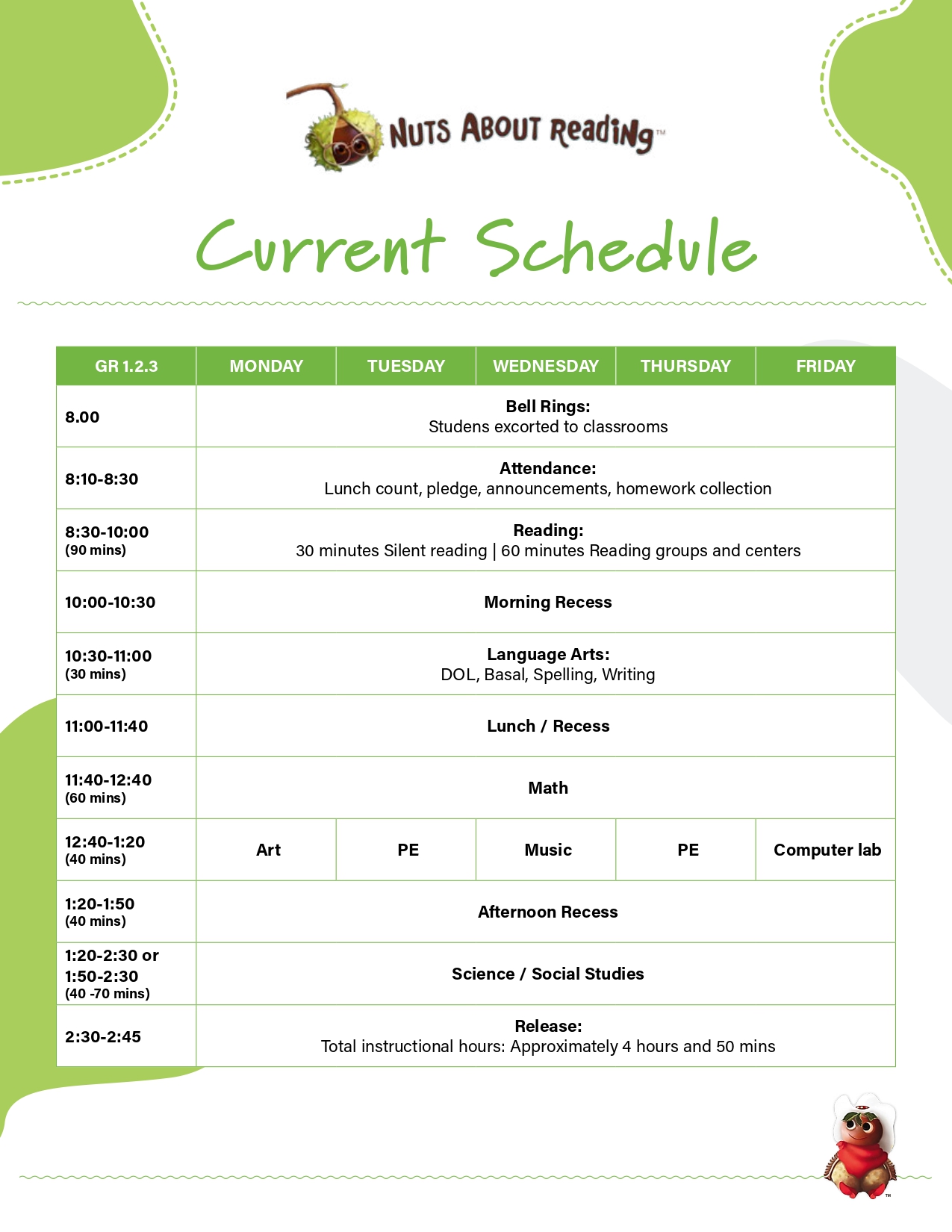
A standard K-3 daily schedule was already demanding before adding current AI tools, computer-based learning, and new tech requirements on top of it. Layer in constant classroom interruptions from undisciplined or unruly students, and the schedule becomes close to impossible for a single teacher to manage well — especially in classrooms with a growing number of English-language learners, where the existing structure doesn't accommodate the extra support those students need.
How Can Extending the School Day Help Students?
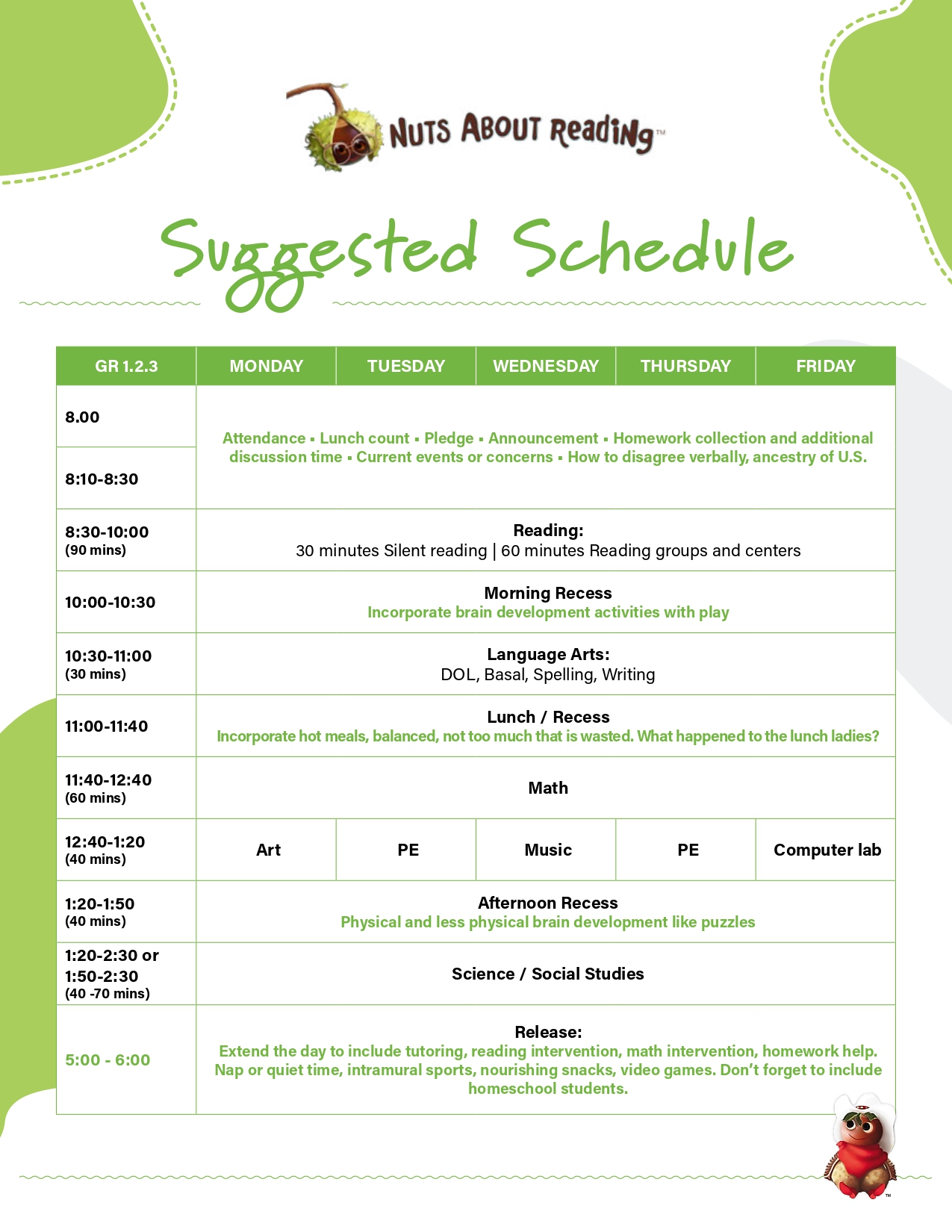
Every student should have access to tutoring help at school — not just those whose parents can afford private tutors. Extending the school day is the most direct way to make that possible. An extended day could include:
Tutoring support for all students, including those struggling academically or learning English as a second language
Intramural sports so that brain and team development through physical activity isn't limited to the kids who make the competitive team
Structured social time, instead of leaving kids alone with screens for hours until a parent gets home from work
Limited cell phone access during class hours, so phones stop competing with instruction time
Balanced, nutritious meals — breakfast, lunch, and snacks — since proper nutrition is essential for growing bodies and developing minds
Practical life-skills classes, like home economics and shop, open to all students regardless of gender
Brain development through movement and team-based activity directly supports reading and math success — it isn't a "nice to have," it's part of the foundation.
How Can Technology and Community Support Early Reading?
Technology can supplement all of the above rather than replace it. For Kindergarten and First Grade students specifically, schools can:
Recruit community members — seniors, parents, and high-school-age students — to tutor or record read-aloud videos of a variety of books
Use those recordings to expose kids to stories above their current reading level
This matters because a child's brain can understand spoken language at a higher level than they can read on their own. A child shouldn't be denied a great book just because they can't read it independently yet — hearing it read aloud still builds vocabulary, comprehension, and a love of language.
How Can Parents Get Involved Without Becoming Full-Time Teachers?
Not every parent is naturally good at teaching, and that's okay — it's not a reason to disengage. Parents can still:
Ask what their child is currently learning, and be honest about how much of that material they understand themselves
Help with homework directly, or advocate for homework support to be offered at school by someone equipped to do it
Connect with other parents to share the load — homeschooling and at-home support can be isolating, and no single parent has to carry it alone
First and foremost, parents need to stay involved in their child's education and training — even imperfectly, even with help from others.
What Would an Updated School Day Actually Look Like?
Older systems and schedules aren't inherently bad — many simply need updating for today's realities. A modernized, extended school day built around tutoring, sports, nutrition, and community involvement would be far cheaper for families than separately paying for tutors, babysitters, and after-school programs. Most parents would likely support a modest increase in education funding if it meant their child received that level of support during the school day itself.
Any version of this also needs to respect that communities differ — not every community is centered around the same economic or cultural priorities, whether agrarian, urban, or otherwise. An extended school day should be built with that flexibility in mind, not a one-size-fits-all template.